While Phuket is internationally acclaimed for its sun-soaked beaches and lively island nightlife, the province possesses a deep spiritual heritage rooted in Theravada Buddhism and maritime history. Dominating the skyline from atop the Nakkerd Hills sits the iconic Big Buddha, while in the valley below stands Wat Chalong, Phuket’s largest and most venerated Buddhist temple complex. A cultural day trip connecting these two landmarks offers profound insights into Thai spiritual customs, intricate religious architecture, and breathtaking panoramic viewpoints.
The Majestic Phuket Big Buddha (Phra Phutta Ming Mongkol Akenakiri)
Rising 45 meters into the tropical sky and spanning 25 meters across at its base, the Big Buddha is one of the most prominent landmarks in southern Thailand. Officially named Phra Phutta Ming Mongkol Akenakiri, this colossal reinforced concrete statue is layered with thousands of individual tiles of shimmering white Burmese jade marble that glisten under the midday tropical sun.
The construction of the Big Buddha began in 2004, funded entirely through private donations and community contributions. Visitors can purchase small white marble tiles, write prayers, blessings, or the names of loved ones on the back with a permanent marker, and donate them to be permanently integrated into the temple structure. This creates a deeply personal connection between travelers and the preservation of this sacred monument.
The 360-Degree Observation Terraces
Beyond its spiritual significance, the Big Buddha sits on one of the highest geographical points in Phuket. From the surrounding terraces, visitors are treated to sweeping 360-degree vistas. Looking east, you overlook the turquoise expanses of Chalong Bay, Cape Panwa, and distant offshore islands. Turning west reveals the sweeping coastal curves of Kata, Karon, and the open Andaman horizon. On clear days, you can even catch glimpses of the distant Phi Phi Islands silhouettes across the sea.

Wat Chalong: The Historical & Spiritual Epicenter
Located in the Chalong subdistrict, Wat Chalong (formally known as Wat Chaithararam) was built in the early 19th century. The temple is dedicated to two legendary monk healers: Luang Pho Cham and Luang Pho Chuang. During the Chinese Coolie Rebellion (Angyee Rebellion) of 1876, Luang Pho Cham used his herbal medicine knowledge and spiritual leadership to heal injured citizens and mediate peace, earning deep veneration that persists to this day.
The Grand Chedi (Phra Mahathat Chedi)
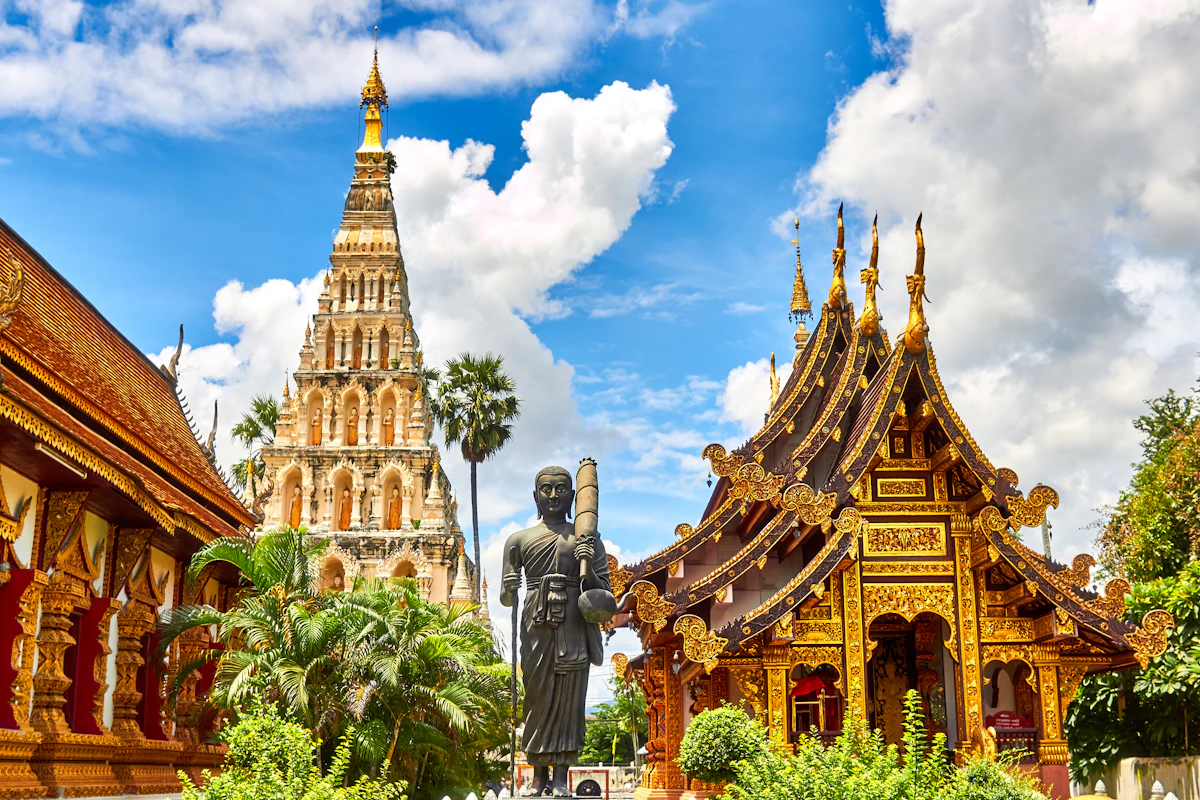
The architectural centerpiece of Wat Chalong is the 60-meter-tall Grand Pagoda (Chedi). The walls and ceilings of this three-story structure are elaborately adorned with vibrant murals depicting the life story of Gautama Buddha from birth to enlightenment and Parinirvana.
On the top floor, protected inside a glass display case, rests a sacred splinter of the bone relic of Lord Buddha brought from Sri Lanka. The open-air third-floor balcony offers splendid photographic views over the temple grounds, manicured gardens, and monks’ residences.
The Firecracker Tradition
As you stroll the grounds of Wat Chalong, you will frequently hear loud, rhythmic bursts echoing across the courtyards. These are strings of red firecrackers ignited inside a dedicated brick oven structure. In southern Thai culture, devotees light firecrackers to show gratitude to the temple spirits and monk statues when their prayers for good health, fortune, or business success have been answered.
Lesser-Known Sacred Temples Worth Exploring in Phuket
While Big Buddha and Wat Chalong attract the majority of visitors, Phuket is home to several fascinating hidden temples that reward intrepid cultural travelers:
- Wat Phra Thong (Thalang): Famous for a half-buried golden Buddha statue that according to local legend cannot be unearthed without bringing misfortune upon the excavators.
- Wat Suwan Khiri Khet (Karon): A beautifully restored coastal temple featuring two emerald serpent (Naga) statues guarding the main ordination hall and hosting a vibrant night market every Tuesday and Friday.
- Wat Sri Sunthon: Situated in Thalang, this tranquil temple features a gigantic 29-meter reclining Buddha statue resting gracefully on the rooftop of the main central hall.

Essential Temple Etiquette and Cultural Guidelines
- Strict Dress Code: Both men and women must cover their shoulders and knees. Sleeveless shirts, tank tops, beachwear, and short shorts are strictly prohibited. Free sarongs are provided at the entrance if you require covering.
- Footwear: You must remove your shoes before stepping onto the tiled interior floors of any prayer hall or chedi. Clean shoe racks are provided outside every hall.
- Respectful Demeanor: Speak in low, calm voices. Never point the soles of your feet toward Buddha images or monks when sitting; tuck your legs behind you in the traditional thep-phanom posture.
- Interacting with Monks: Women must never touch a Buddhist monk directly or hand items directly into their hands; place donations on a designated cloth or table instead.

How to Plan the Perfect Cultural Day Itinerary
Both landmarks are located within a 20-minute drive of each other in southern Phuket. Start your morning at Wat Chalong around 8:30 AM to observe the monks receiving alms and explore the pagoda in the cool morning air. By 10:30 AM, drive up the winding mountain road through Nakkerd Hills to reach the Big Buddha just in time for panoramic midday photography. Finish your morning with a refreshing coconut shake at one of the rustic hillside viewpoint cafes overlooking Chalong Bay.